
Why E-Commerce Product Photography Matters More Than You Think
When it comes to online shopping, first impressions are crucial. Whether a person is buying clothes, books, jewellery, furnishings, or even a laptop, the product image they see plays a key role in their decision-making process. Because, unlike offline stores, where customers can touch, feel, and examine products, online shopping relies almost entirely on visuals.

In short, how a consumer perceives your product is directly linked to how it looks, and this is where e-commerce product photography comes in. You may have the best product in your category, but if your visuals aren’t attractive or engaging, you risk your audience scrolling past without a second thought. Product photography, in fact, often determines whether a customer clicks, lingers, or leaves.
In the ever-evolving e-commerce world, your product doesn’t get a second chance to make a first impression. This is why e-commerce product photography matters more than you think. So, whether you’re a startup, an established business, or someone looking to list handmade products on e-commerce platforms, here’s everything you need to know!
What is Product Photography & What Does It Involve?
Product photography goes beyond simply clicking a picture. It is the process of capturing images that accurately represent the product while also making it visually appealing to potential buyers. Effective product photography blends together technical precision and creative storytelling, with attention-to-detail being key. It assesses everything from lighting and composition to background selection and styling to ensure the product looks its best.
 Plan your Photoshoot Setup
Typically, e-commerce product photography includes a mix of the following:
- Clean catalogue shots with neutral or plain backgrounds to clearly showcase the product
- Close-up images that highlight colors, textures, materials, and other finer details
- Shots from different angles to give a complete view of the product
- Lifestyle shots showing the product in use to help customers visualize it in real life
- Scale references to showcase the product’s size and proportion
In addition to the images, product photography also encompasses post-production edits like colour correction, retouching, and web optimization. It is done to present the product in a way that informs, engages, and ultimately convinces someone to make a purchase.
Why Businesses Should Invest in E-Commerce Product Photography
Now that we know the basics of e-commerce product photography, let’s understand why businesses should invest in it:
1. First Impressions Start with Visuals
When a user lands on your website, Instagram page, or product catalogue, you only have a few seconds to capture their attention, with the first thing they see being the product image. Even a well-written product description often goes unread, as many make quick judgements based solely on what they see. Thus, high-quality, well-lit, and thoughtfully styled photographs immediately signal trust and professionalism. On the other hand, dull lighting, cluttered backgrounds, or inconsistent imagery can make even a premium product feel unreliable.
For instance, let’s say you’re selling a black evening gown for women. A poorly lit image against a cluttered background can make the dress look unappealing. However, photographing the same gown on a model and under bright lighting can make it instantly feel more premium and elegant. In many cases, product images are your first touchpoint with customers, and like any first impression, it should be clear and credible!
2. Builds Trust & Reduces Purchase Anxiety
Purchase anxiety is real, and we’ve all faced it at some point, especially when buying from a new or unknown brand. The hesitation stems from being unsure about the product’s quality, size, texture, or real-life appearance. Good product photography, however, addresses these concerns before they even arise.
Detailed images, including close-up shots and lifestyle shots, from multiple angles help bridge the gap between digital and physical experience, helping customers visualize how the product will look and feel in real life. The more confident a customer feels about what they’re buying, the more likely they are to complete the purchase.
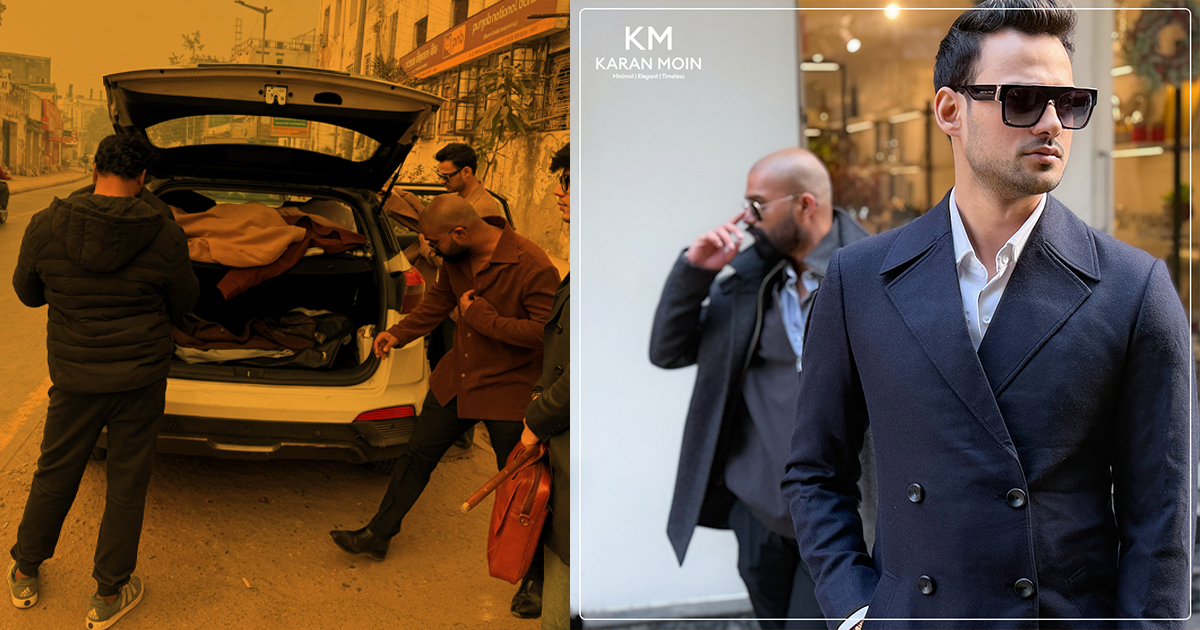
From BTS to Actual Shot
3. Makes Your Product Stand Out
Whether you’re selling sneakers, earphones, or kitchenware, the online market is overflowing with similar products. Investing in product photography, however, gives you an edge. It helps your product stand out in search results, marketplaces, and even social media feeds. As e-commerce is more competitive than ever, a striking image can make a user stop scrolling. Visibility is everything, and visuals are what drive that visibility.
For example, let’s assume you sell everyday rings for men. Your product images are detailed, well-lit, and shot from different angles, giving customers a clear sense of how they look and feel. In contrast, another brand uses poorly lit images against bright backgrounds that fail to highlight the jewellery. A potential customer is far more likely to see your product (and brand) as worth their money, simply because you invested in better product photography!
4. Directly Impacts Conversion Rates
Many don’t realize it, but the quality of your product images can directly impact conversation rates. Simply put, conversion rate refers to the percentage of visitors who complete an action on a website or online platform. In the e-commerce world, it is measured by the number of people who not just explore but also purchase your product.
Clear, appealing visuals keep users engaged, encouraging them to spend more time on your product page and eventually take action. Because when customers can’t physically compare products, visuals become the deciding factor. And if two brands are selling similar products at similar price points, the one with better photography almost always gets picked.

5. Strengthens Brand Identity
Every brand has an identity, be it contemporary, minimal, modern, experimental, playful, or lifestyle-driven; and good product photography aligns with it. From backgrounds and colours to lighting and props, everything should reflect your brand’s personality. This is because consistent visuals help create a recognizable identity that customers begin to associate with your brand, thereby building familiarity and trust.
For instance, Apple Inc. uses clean and minimal product imagery highlighting their tech-first approach, whereas Nike has bold and high-energy visuals that emphasize movement and performance. Similarly, Zara uses editorial-style imagery to create a premium, fashion-forward feel. In all cases, the photography isn’t random but an extension of the brand itself.
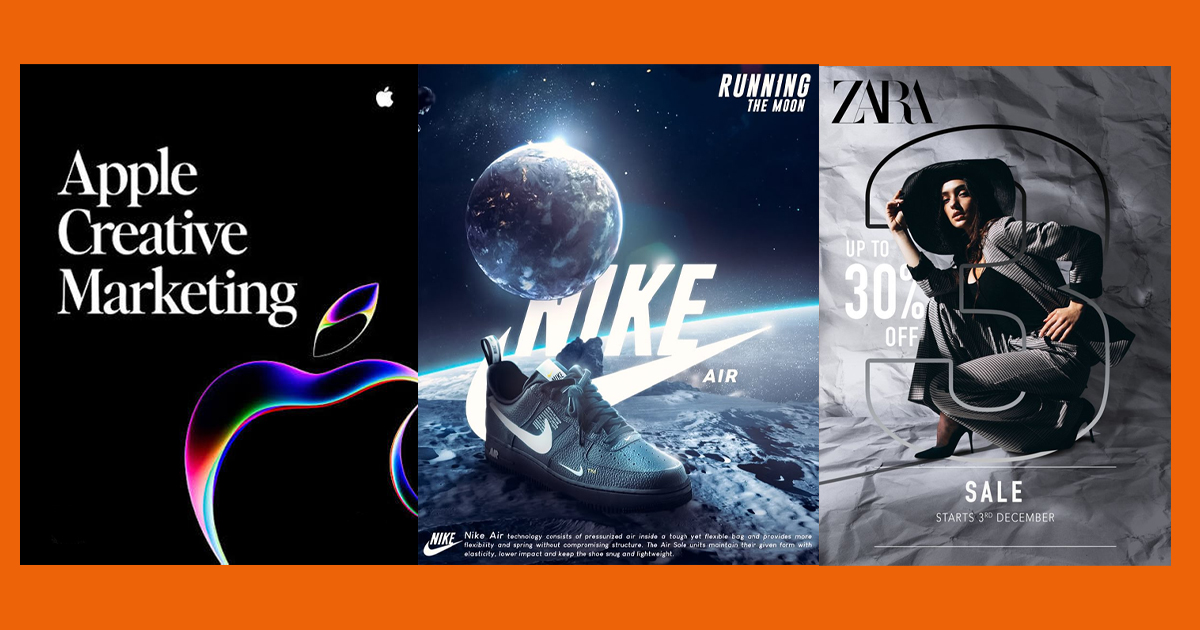 Not just a colour combination, these are brand identity.
6. Supports Marketing Efforts
While product images are primarily used for websites, they support marketing efforts across various platforms. These include social media posts & advertisements, marketplace listings (such as Amazon, Flipkart, and Snapdeal), email campaigns, digital ads & banners, print marketing, and more. High-quality product photography ensures that your product and brand look consistent and professional across all these touchpoints.
It also enables clear messaging and effective storytelling, allowing you to create and implement targeted marketing campaigns.
7. Enhances SEO & Discoverability
Another key reason to invest in product photography is better search visibility. Since visually appealing images increase engagement metrics, such as time spent on page and lower bounce rates, it indirectly impacts your rankings. However, the images should also be optimized with alt tags, proper file names, and fast loading speeds to improve your website’s SEO performance. Thus, you will not only attract users but also help them find you in the first place.

Web Experience & Performance
For instance, if you sell handcrafted jewellery but your images are named something generic like ‘Image23.jpg,’ search engines won’t understand what they represent. ‘Handcrafted-charm-bracelet-for-women’ would be a better description, making it easier for your products to appear in search results and bring in more customers.
Summing Up
Many businesses, especially in the early stages, don’t prioritize product photography. However, it pays off in multiple ways, particularly through higher conversion rates, better brand perception, improved customer satisfaction, fewer returns, and stronger marketing.
In e-commerce, your product image isn’t just a visual. It tells your story, represents your brand, communicates quality, builds trust, and influences decisions across all touchpoints. If you’ve been undervaluing product photography, it may be time to rethink your strategy and consider bringing in the right expertise to ensure your visuals truly work for your brand!