From Pre-Production to Post-Production: Understanding the Video Production Process
From Instagram and YouTube to website ads and brand campaigns, video content is everywhere. Be it reels, product demos, customer reviews, live streams, or even behind-the-scenes, every niche has its own audience. And while the final output may seem effortless, there is a lot that goes into creating a high-quality video.
Even though we’re all glued to our screens 24×7, attention spans are shorter than ever. Video content, therefore, has to be engaging and communicate its message clearly before your audience scrolls to the next one.
 Careful planning and creative decision-making during pre-production lay the foundation for a successful video production project.
Behind every well-executed video is a structured process that ensures ideas are translated into visuals effectively, without losing meaning. Whether it’s a product shoot, brand film, or a commercial campaign, understanding the process is key to creating content that looks good, resonates with the audience, and drives engagement.
This is where the video production process comes in, and we will cover everything you need to know, so your video marketing efforts don’t fall short of their purpose!
Understanding the Video Production Process
Video production involves more than just setting up a frame and shooting. It is a step-by-step framework that helps turn your idea into a creative output while ensuring that every step is planned, executed, and refined with clarity and purpose. The process is broadly divided into three main stages, namely:
- Pre-Production
- Production
- Post-Production
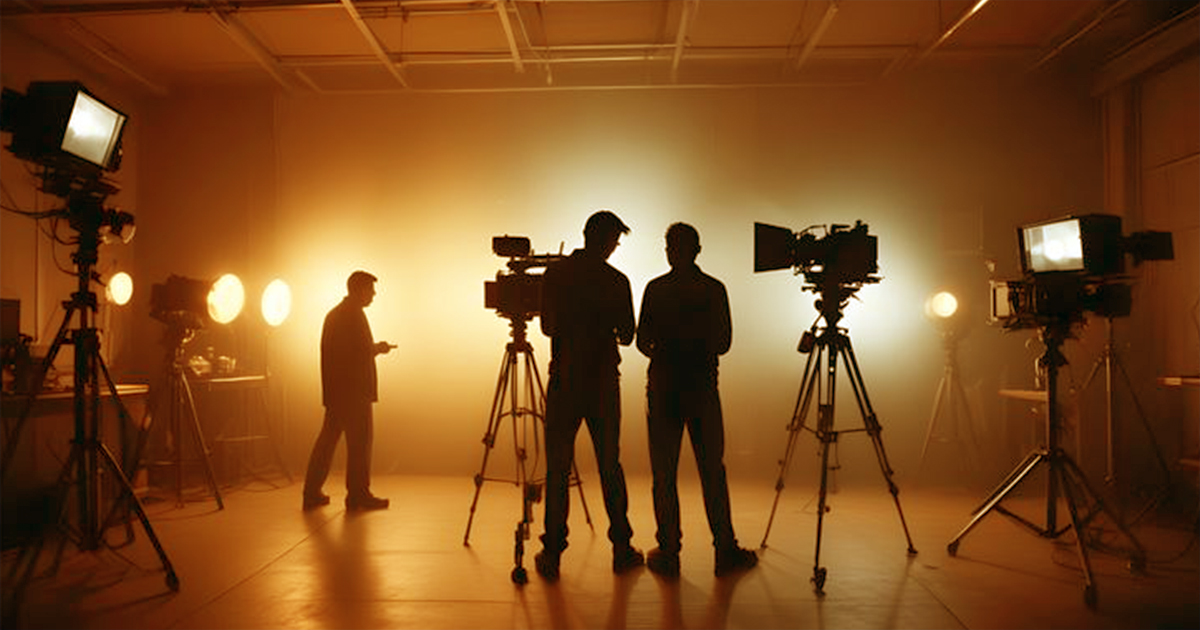
A successful video production relies on careful coordination of crew, cameras, lighting, and creative direction during filming.
Each stage plays a crucial role, and here’s why:
- Keeps your team aligned on the vision and purpose
- Saves time and resources since everything is planned ahead
- Makes budget management easier
- Increases efficiency and reduces last-minute changes
- Ensures consistency in output
- Enhances overall output quality
Without a structured approach, however, video production can quickly become chaotic, leading to delays, budget overruns, or content that does not meet expectations.
Now that we know the basics and importance of the video production process, let’s look at each stage in detail.
Pre-Production: Laying the Foundation
As the name suggests, pre-production is where everything begins. It is the planning phase that sets the direction for the entire project, including what the video is about, how it will look, and how it will be executed. The key elements of pre-production include:
- Concept and Objective: Every video has a purpose, be it to inform, educate, raise awareness, promote a product, or tell a story. Defining this objective is the first and most crucial step of any video project, as it ensures that the final output aligns with your business goals. For instance, if you plan to interview an oncology specialist on World Cancer Day, the video concept would be a face-to-face interaction, whereas the objective would be to raise cancer awareness.
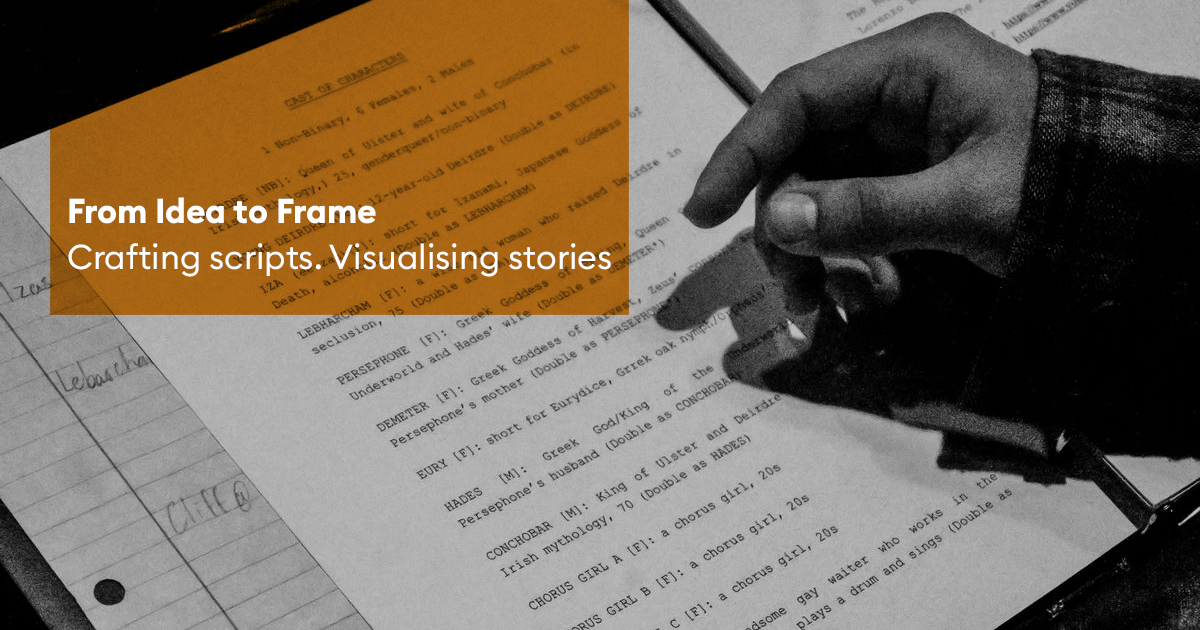
Every successful video begins with a well-crafted script that transforms ideas into compelling visual stories
- Script & Storyboard: Once you’ve defined the concept and objective, the next step is to translate it into a script and visual plan. A storyboard outlines the entire video scene-by-scene, including details like timestamps, on-screen text, visuals, b-rolls, transitions, voiceovers, and the overall flow. This makes both production and post-production, particularly editing, hassle-free.
- Planning & Logistics: While creating video content may seem easy, not having logistics in place can create last-minute delays. It is, therefore, important to scout the location of the shoot, plan casting if actors are required, create a shoot schedule, and gather all the required equipment. We recommend creating an Excel sheet with tabs for each category, making planning and execution efficient.
Most production challenges arise from poor planning, as many brands underestimate the importance of the pre-production phase and rush into shooting. However, creating a roadmap ensures a clear direction for the team, efficient time management, and better coordination across departments.
Simply put, the more effort you put into planning, the smoother the execution!
Production: Bringing the Vision to Life
After pre-production comes production, the stage where the actual filming or shooting takes place, and everything comes together. And while it is the most important phase, the outcome largely depends on the groundwork laid during pre-production. So, let’s understand the key elements of production:
- Setting Up Equipment: The first step of production is to set up the equipment. This includes the camera with a stable tripod, lighting kit, microphone, reflectors, gimbals, backdrops, and more, depending on what and how you plan to shoot.

The quality of a production often depends on what happens behind the camera—carefully planned lighting, equipment, and set design.
- Direction & Execution: Once the equipment has been set up, direction comes next. This involves implementing and executing the storyboard scene-by-scene, including camera angles and frames, background scenes and effects, cues for actors, and capturing the footage as per the script and storyboard.
- On-Set Coordination: Another key element of production is on-set coordination, which entails logistics, paperwork, communication, scheduling, ensuring safety protocols, managing extras/background actors, procuring food & beverages, and overall set management.
From lighting and framing to performance and timing, every detail matters. Even with a strong plan, execution is key. A skilled production team ensures that the visual quality is consistent, the tone aligns with the brand, and the footage captures the intended message. However, while planning helps, flexibility is also essential. On-ground adjustments and last-minute changes are often necessary to get the best results.
Post-Production: Shaping the Final Output
After pre-production and production comes post-production, the final stage of creating video content. This is where the raw footage is transformed into a polished video, and the key elements of the post-production stage include:
- Editing: The first step of post-production is editing, which involves organizing the raw footage in line with the script and storyboard. Each shot is placed in sequence with the timestamps to create a cohesive narrative, and transitions are added so the story flows well.

Post-production is where raw footage is transformed into a polished story through editing, color grading, sound design, and visual effects.
- Sound Design & Music: Audio plays a major role in enhancing a video’s viewing experience. While some scenes require upbeat music, others require hopeful music to send across the intended message. Thus, this step involves adding and refining everything from the background music and sound effects to dialogues and voiceovers.
- Visual Effects: To further enhance the video content, visual effects are added next. These include logos, graphics, icons, animations, and even computer-generated imagery (CGI), which is used for scenes that may be difficult to shoot due to geographical, financial, or safety constraints.
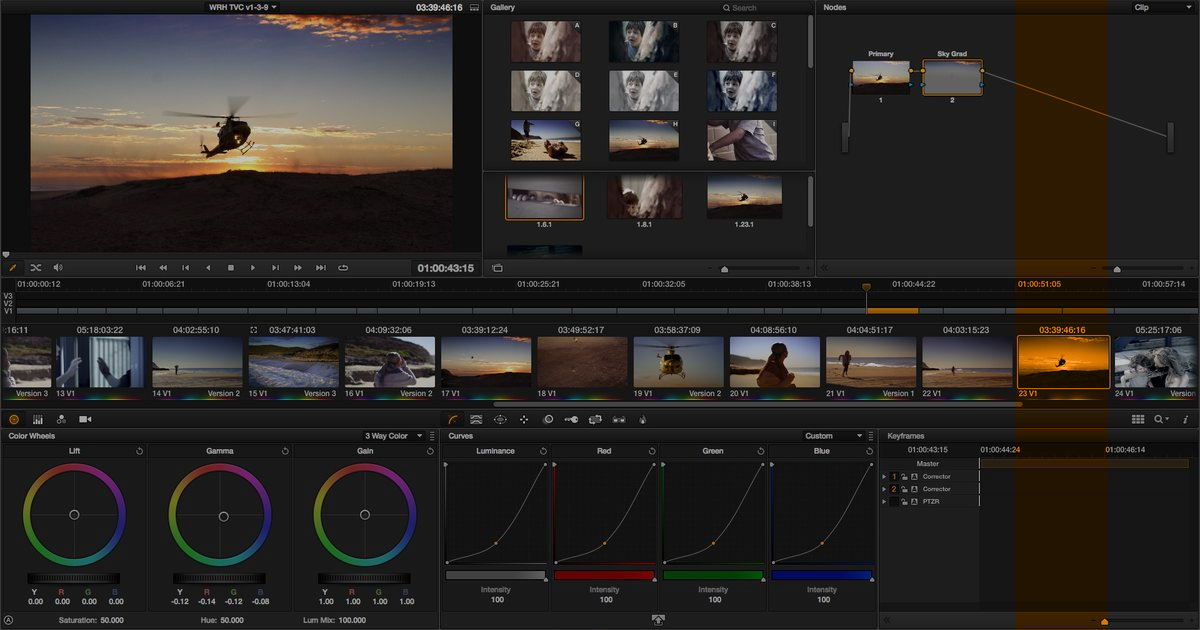
Color correction and grading transform raw footage into visually compelling content by enhancing consistency, mood, and storytelling.
- Color Correction & Grading: Color correction and grading is another key element of post-production, which ensures visual consistency. Editors use tools to adjust the video’s brightness, shadows, brilliance, vibrance, saturation, contrast, highlights, exposure, and more, ensuring it looks polished, professional, and high in quality.
- Formatting & Delivery: The last step is formatting and rendering the final output for different platforms, including social media, websites, and advertisements. The video is then exported and shared with the persons involved in publishing.
Post-production, therefore, plays a crucial role in how the final video comes out. Without proper editing, even high-quality footage can fall short, while average footage can be elevated with strong post-production. It’s where storytelling truly comes together!
Video Production: Common Mistakes to Avoid
Now that we’ve covered the video production process in detail, here are some common mistakes that can affect the final output:
- Skipping Pre-Production: Rushing straight into shooting without a clear plan in place often leads to confusion, wasted resources, improper time management, and last-minute delays. This is why pre-production should always come first.
- Lack of Strategy and Storytelling: You need more than just a high-end camera to capture good video content. It is essential to go in with a video strategy and a well-drafted story, as without it, your message may get lost in translation.
- Ignoring Brand Alignment: While a video’s primary purpose may be to tell a story or promote a product or service, it is also crucial to ensure brand alignment. Videos that don’t reflect the brand’s tone of voice or visual identity can feel rather disconnecting. Your audience should be able to connect with your brand regardless of the medium.

The camera is more than a tool—it is the lens through which stories are captured, emotions are conveyed, and creative visions come to life.
- Rushed Post-Production: When planning video content, it is always good to allocate sufficient time for post-production, as that is where the final output comes together. Rushing through the editing process can compromise both quality and impact.
Bringing it All Together
From pre-production to post-production, every stage of the video production process plays a crucial role in shaping the final output. When done right, it ensures your content is not only visually appealing but also purposeful and effective in its communication. It also allows you to create content that delivers results beyond views.
Production, thus, is not a standalone activity, and it works best when aligned with your overall brand and marketing strategy. It reflects your brand, conveys your message, and influences how your audience perceives you. Because at the end of the day, a great video isn’t just well shot; it’s also well thought-out, and investing in video production can be a game-changer for your business!